The instant-on computer

A long time ago, when I was at Amazon, someone asked Jeff Bezos during an employee meeting what he thought would be the single thing that would most transform Amazon's business.

Bezos replied, "An instant-on computer." He went on to explain that he meant a computer that when you hit a button would instantly be ready to use. Desktops and laptops in those days, and still even today, had a really long bootup process. Even when I try to wake my Macbook Pro from sleep, the delay is bothersome.

Bezos imagined that people with computers which were on with the snap of a finger would cause people to use them more frequently, and the more people were online, the more they'd shop from Amazon. It's like the oft-cited Google strategy of just getting more people online since it's likely they'd run across an ad from Google somewhere given its vast reach.

We now live in that age, though it's not the desktops and laptops but our tablets and smart phones that are the instant-on computers. Whether it's transformed Amazon's business, I can't say; they have plenty going for them. But it's certainly changed our usage of computers generally. I only ever turn off my iPad or iPhone if something has gone wrong and I need to reboot them or if I'm low on battery power and need to speed up recharging.

In this next age, anything that cannot turn on instantly and isn't connected to the internet at all times will feel deficient.
Juan Genoves

In the lobby of Daniel hangs a giant painting by Juan Genoves. I had not heard of Genoves until last weekend in NYC when I attended my niece's first birthday at Daniel, but I really liked his painting of a crowd of people seen from high overhead. The “crowd” is one of the recurring themes in his work.

Up close, his paintings have a 3D quality as the quantity of the paint used for each person in the crowd rises a bit off the canvas, reinforcing the depth created by each person's shadow.

Charlotte turns 1

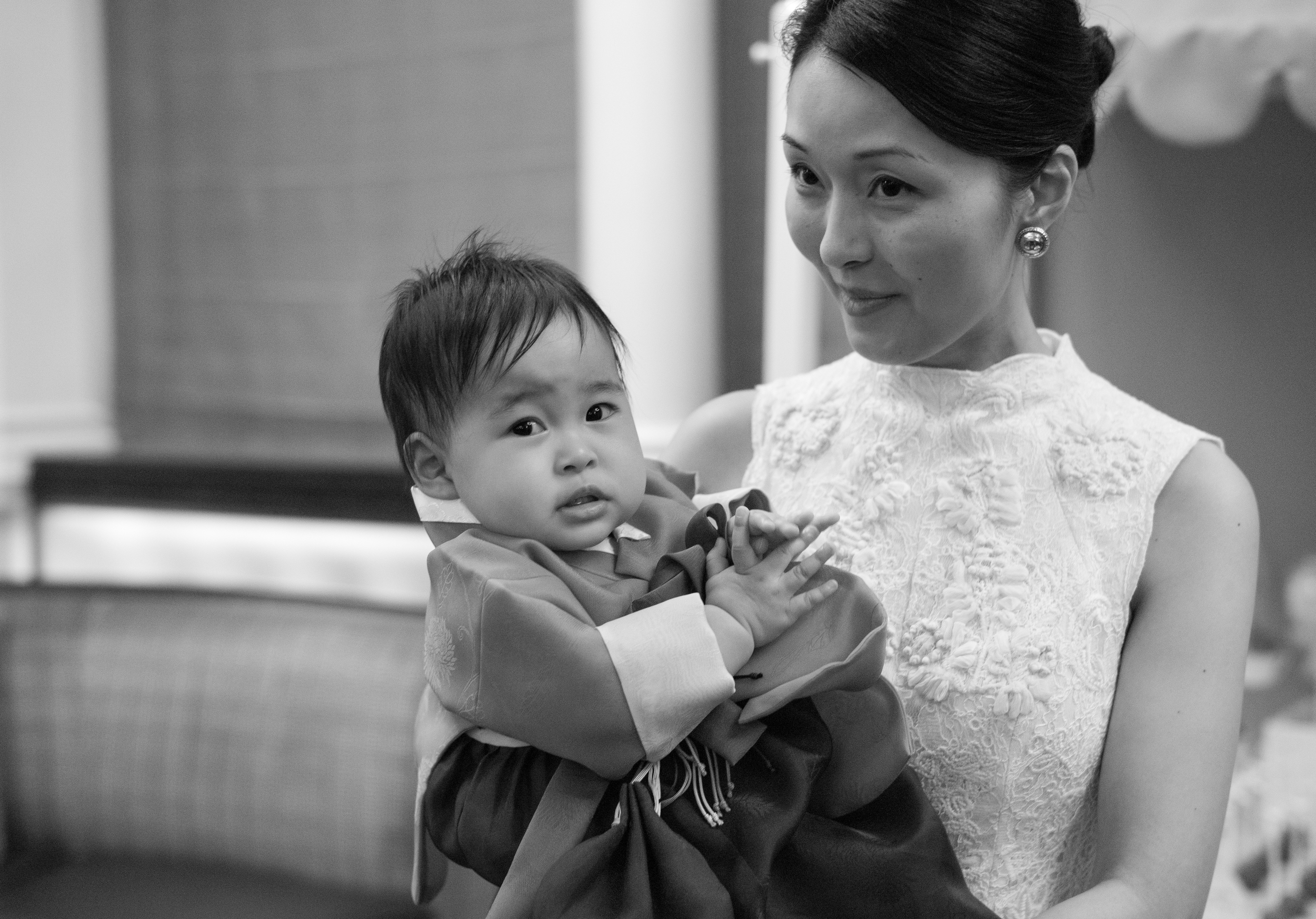
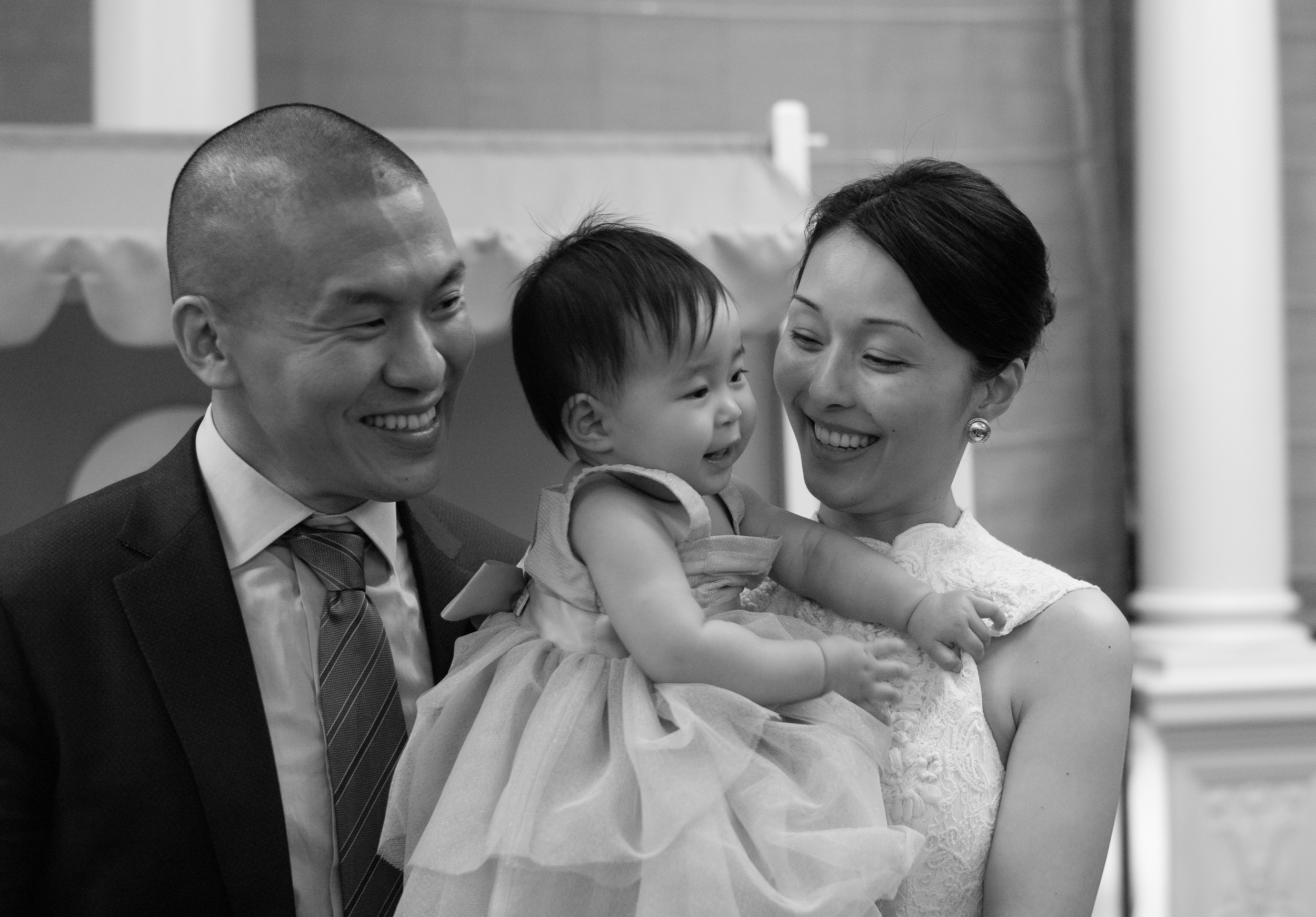
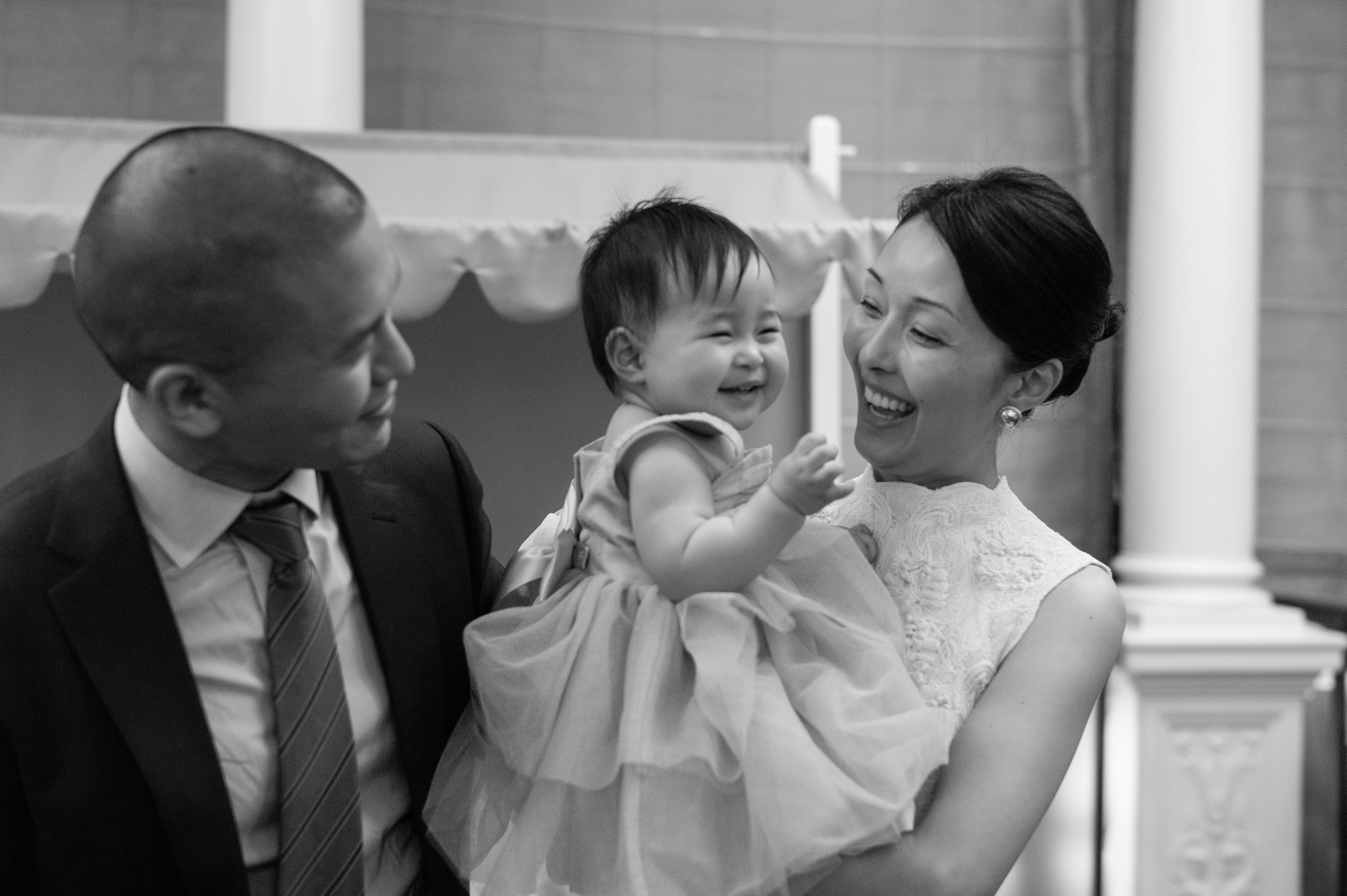
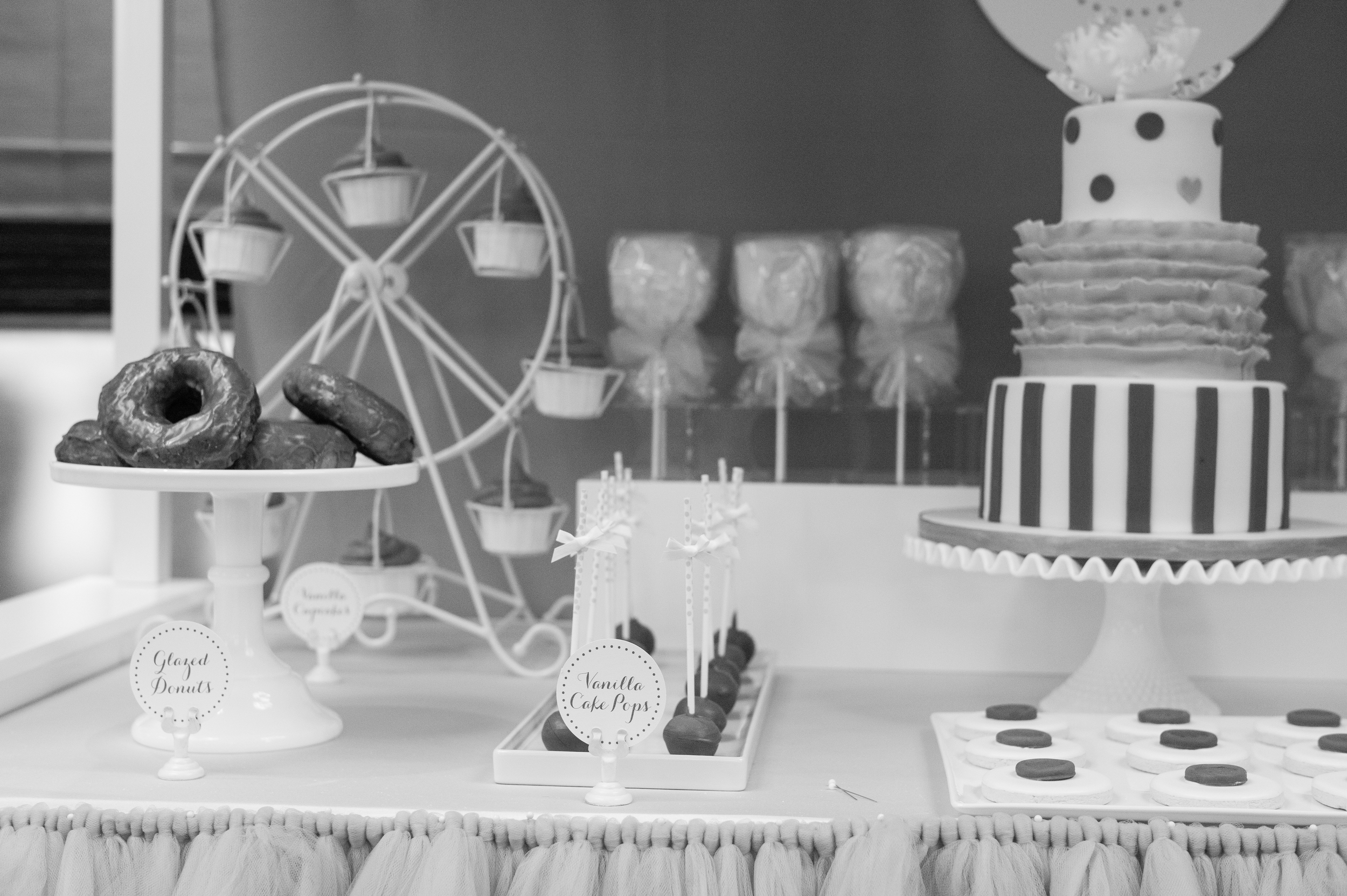
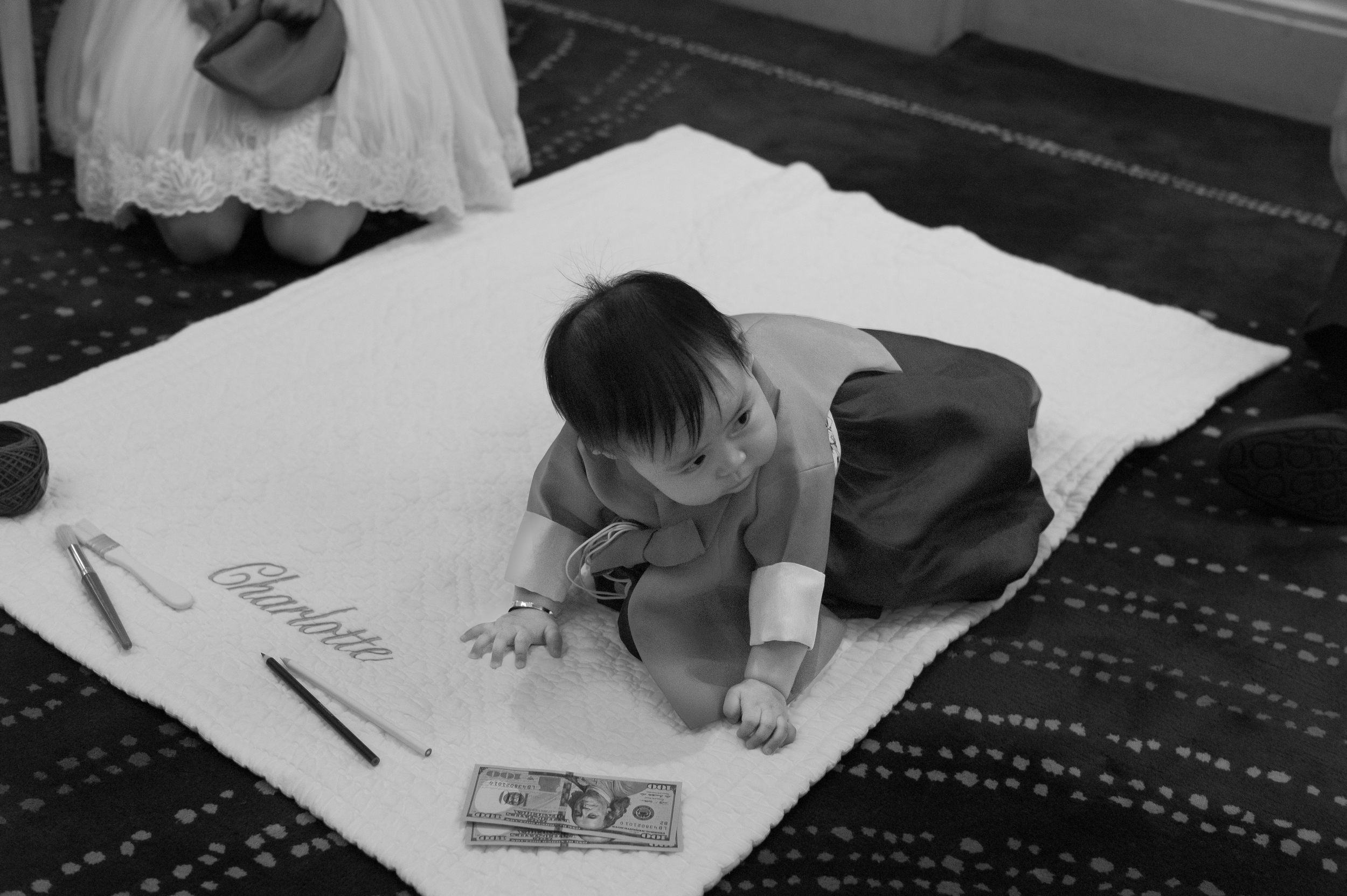
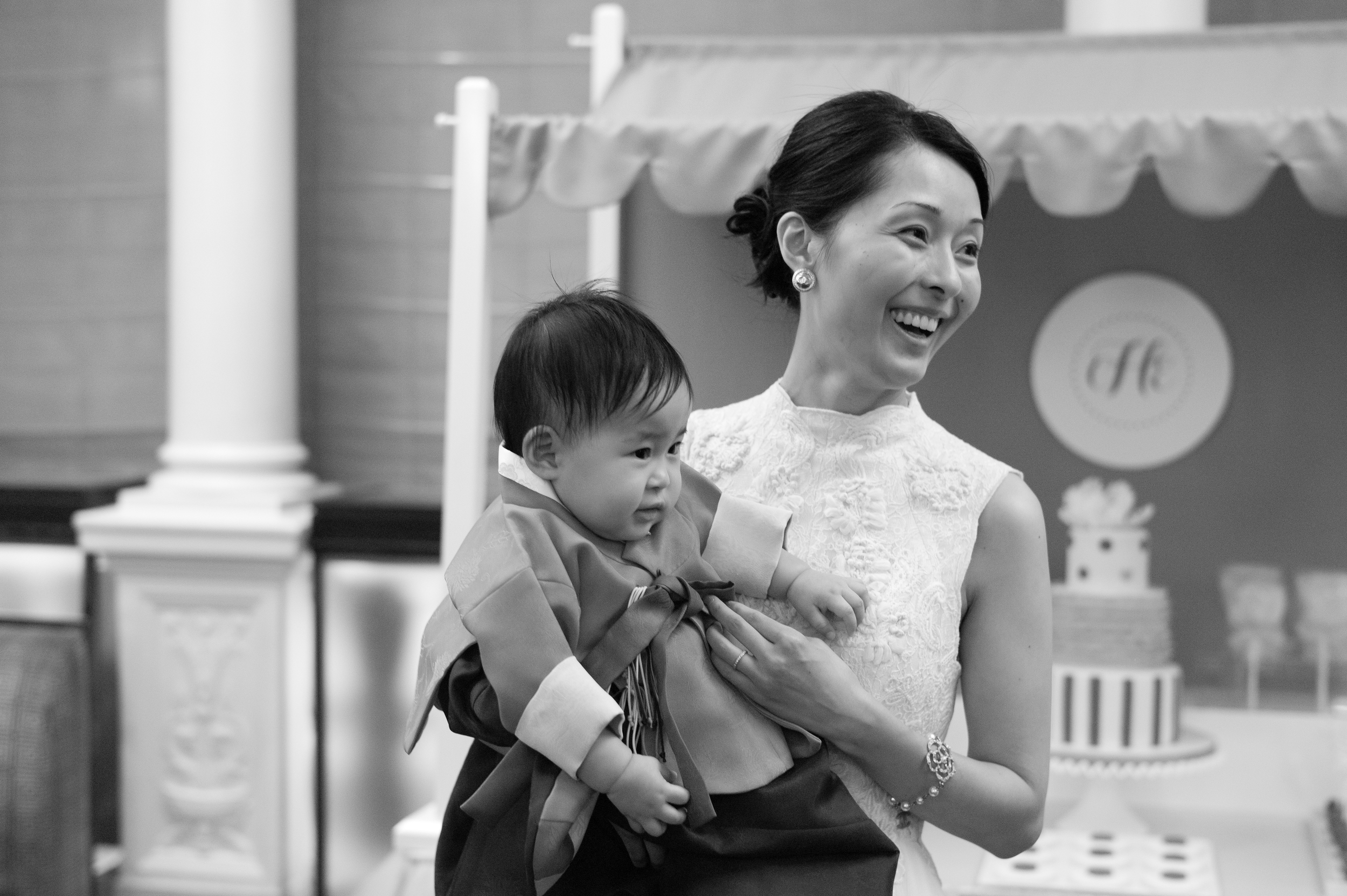
A few pics from my niece Charlotte's first birthday. She's half-Korean so she had a doljanchi, a Korean tradition celebrating a child's first birthday.

The highlight of the event was the part where Charlotte was placed on one end of a blanket with four objects on the other side: a spool of yarn, a paint brush, a pencil, and money. The first object she chose would tell her fortune: the yarn signified long life, the paint brush creativity, the pencil wisdom, and the money...money. 

Charlotte looked befuddled as everyone looked at her and urged her on, then she crawled over and put her hand on the money, at which point the room erupted in cheers which startled and confused her.

Obama to appear on Between Two Ferns

President Obama's appearance on Funny or Die's Between Two Ferns will post tomorrow morning at 7:30am.

Sure, Obama came of age in the dawn of the internet, but it still feels like he's leaned forward on social media more than the average President would have. I'll always think of him as our first intentionally viral President (Bush having been more “unintentionally” viral).

On praise

4. Witholding praise is immoral.

While I’ve long thought that organizational feedback systems were broken, I had never really thought about it in this way before.

Children are accustomed to a continual stream of criticisms and praise, but adults can go weeks without a compliment while enduring criticism both at work and at home. Adults are starved for a kind word. When you understand the power of honest praise (as opposed to bullshitting, flattery, and sucking up), you realize that withholding it borders on immoral. If you see something that impresses you, a decent respect to humanity insists you voice your praise.
 

Shane Parrish lists ten things he learned from Scott Adams' book How to Fail at Almost Everything and Still Win Big. I also enjoyed this quote from Adams' book.

[O]ne should have a system instead of a goal. The system-versus-goals model can be applied to most human endeavours. In the world of dieting, losing twenty pounds is a goal, but eating right is a system. In the exercise realm, running a marathon in under four hours is a goal, but exercising daily is a system. In business, making a million dollars is a goal, but being a serial entrepreneur is a system.

Goal-oriented people exist in a state of continuous pre-success failure at best, and permanent failure at worst if things never work out. Systems people succeed every time they apply their systems, in the sense that they did what they intended to do. The goals people are fighting the feeling of discouragement at each turn. The systems people are feeling good every time they apply their system. That’s a big difference in terms of maintaining your personal energy in the right direction. …